TL;DR
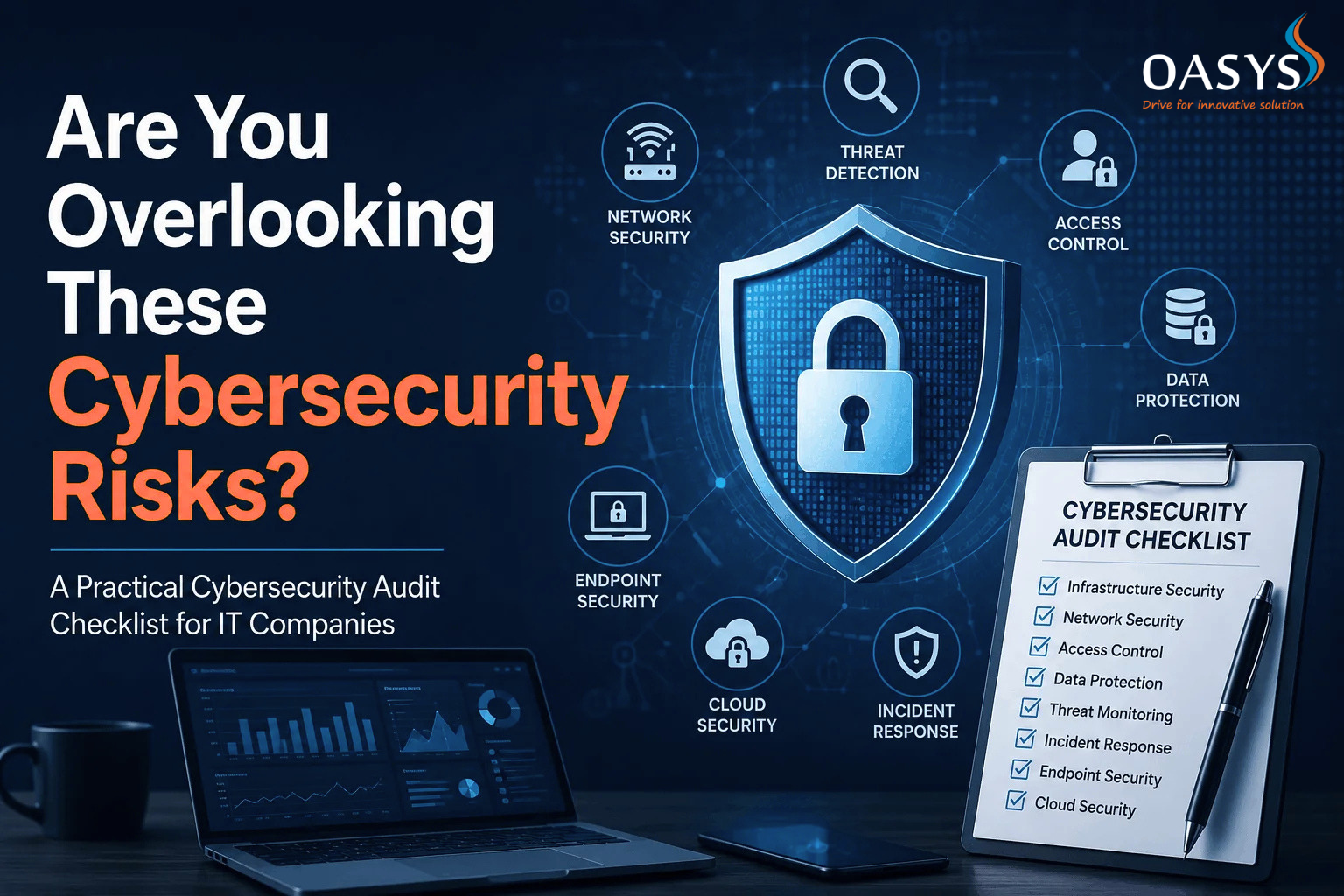
Cybersecurity threats are becoming more sophisticated and costly for businesses of all sizes. A comprehensive cybersecurity audit helps IT companies identify vulnerabilities, strengthen security controls, protect sensitive data, and reduce the risk of cyberattacks. This checklist covers key areas including infrastructure security, network protection, access management, compliance, threat monitoring, incident response, endpoint security, and cloud security.
Why Cybersecurity Audits Matter More Than Ever
Cybersecurity is no longer just an IT concern. It is a business priority. Cybercriminals continuously search for vulnerabilities in systems, networks, and applications. A single security gap can result in data breaches, operational disruptions, regulatory penalties, and reputational damage.
Regular cybersecurity audits provide organizations with a clear understanding of their security posture. They help identify weaknesses before attackers do, ensure compliance with industry regulations, and support ongoing risk management efforts.
By conducting routine audits, IT companies can strengthen defenses, improve resilience, and maintain the trust of clients, partners, and stakeholders.
The Growing Cybersecurity Challenge
The digital landscape continues to expand as businesses adopt cloud platforms, remote work environments, mobile technologies, and connected devices. While these innovations improve efficiency and flexibility, they also create new attack surfaces.
Common cybersecurity threats facing IT companies include:
-
Ransomware attacks
-
Phishing campaigns
-
Insider threats
-
Credential theft
-
Misconfigured cloud environments
-
Software vulnerabilities
-
Supply chain attacks
Many organizations invest heavily in security tools but fail to regularly assess whether those controls are working effectively. This is where cybersecurity audits play a critical role.
Cybersecurity Audit Checklist for IT Companies
1. Infrastructure Security Review
Infrastructure forms the foundation of an organization's IT environment. Security audits should evaluate servers, databases, storage systems, operating systems, and network devices.
Key review areas include:
-
Asset inventory accuracy
-
Operating system patch levels
-
Configuration management
-
Server hardening practices
-
Removal of unused services and applications
-
Backup and recovery capabilities
Organizations should ensure that all infrastructure components are properly maintained and protected against known vulnerabilities.
2. Network Security Assessment
A secure network helps prevent unauthorized access and limits the spread of threats.
During a network security assessment, organizations should review:
-
Network segmentation
-
VPN security settings
-
Intrusion detection and prevention systems
-
Wireless network security
-
Open ports and exposed services
Regular vulnerability scanning can help identify weaknesses that require immediate attention.
3. Access Control and Identity Management
Unauthorized access remains one of the most common causes of security incidents.
A cybersecurity audit should examine:
-
User account management
-
Multi-factor authentication implementation
-
Password policies
-
Role-based access controls
-
Privileged account monitoring
-
User provisioning and deprovisioning processes
The principle of least privilege should be applied to ensure employees only have access to resources necessary for their roles.
4. Data Protection and Compliance
Protecting sensitive information is essential for business continuity and regulatory compliance.
Organizations should verify:
-
Data encryption at rest and in transit
-
Secure data storage practices
-
Backup and disaster recovery procedures
-
Data retention policies
-
Access restrictions for sensitive information
-
Compliance with applicable regulations
Strong data governance reduces the likelihood of unauthorized access and data loss.
5. Threat Detection and Monitoring
Cyber threats can develop quickly, making continuous monitoring a necessity.
Security teams should assess:
-
Security monitoring platforms
-
Log management systems
-
Alerting mechanisms
-
Threat intelligence integration
-
Event correlation capabilities
-
Incident investigation procedures
Effective monitoring helps organizations detect and respond to threats before significant damage occurs.
6. Incident Response Preparedness
No security program is complete without an incident response strategy.
An audit should evaluate:
-
Incident response plans
-
Defined response roles and responsibilities
-
Communication procedures
-
Escalation processes
-
Recovery objectives
-
Incident response testing and simulations
Prepared organizations recover faster and minimize the impact of security incidents.
7. Endpoint Security Evaluation
Endpoints often serve as entry points for attackers.
Organizations should review:
-
Endpoint protection software
-
Device encryption
-
Patch management processes
-
Mobile device security
-
Remote work security controls
-
Endpoint monitoring capabilities
Every device connected to the network should be properly secured and continuously monitored.
8. Cloud Security Assessment
As cloud adoption increases, cloud security must remain a top priority.
A cloud security audit should assess:
-
Cloud access controls
-
Identity and access management policies
-
Storage security configurations
-
Encryption settings
-
Security monitoring tools
-
Shared responsibility requirements
Misconfigured cloud resources remain one of the most common causes of cloud-related security incidents.
Solutions
Organizations can strengthen their cybersecurity posture by combining proactive audits with ongoing security initiatives.
Recommended actions include:
-
Conduct regular vulnerability assessments
-
Implement multi-factor authentication
-
Maintain an effective patch management process
-
Train employees on cybersecurity awareness
-
Deploy endpoint protection solutions
-
Monitor systems continuously
-
Test incident response plans regularly
-
Review cloud security configurations frequently
Working with experienced cybersecurity professionals can help organizations identify hidden risks and implement effective security controls. if you also looking for any best cyber security experts in bhubaneswar, India or any specific locations then Oasys Tech Solutions Private Limited can provide you the best support for these. Our team of experts will help you provide the 360° solutions on cyber securities.
Final Thoughts
Cybersecurity threats continue to evolve, and organizations cannot afford to rely on assumptions when it comes to security. Regular cybersecurity audits provide valuable insights into vulnerabilities, compliance gaps, and operational risks.
By reviewing infrastructure, networks, access controls, data protection measures, monitoring systems, endpoints, and cloud environments, IT companies can build stronger defenses and reduce the likelihood of costly security incidents.
A proactive cybersecurity audit is not simply a compliance exercise. It is a critical step in protecting business operations, customer trust, and long-term growth.